
Why Experience Matters When Hiring a Private Investigator in South Africa
When people need a private investigator, they often focus on cost, turnaround times, or proximity to their location. While these factors certainly play a role in selecting an investigator, there is one characteristic that consistently separates successful investigations from failed ones: experience.
In the private investigation industry, experience is not simply measured by the number of years someone has held a licence or operated a business. Real experience is developed through thousands of hours spent conducting surveillance, investigating fraud, tracing individuals, interviewing witnesses, analysing digital evidence, assisting attorneys, supporting corporate clients, and navigating complex legal frameworks.
At PI INVESTIGATOR, we regularly encounter matters where clients previously engaged inexperienced investigators who overlooked critical evidence, conducted unlawful surveillance, mishandled digital evidence, or failed to understand the broader strategy required to solve a case. In many situations, these mistakes resulted in lost opportunities, increased costs, compromised evidence, and significant delays.
Whether you require assistance with a cheating spouse investigation, corporate fraud matter, cybercrime investigation, asset trace, due diligence investigation, or litigation support, the experience of your investigator will often determine the outcome.
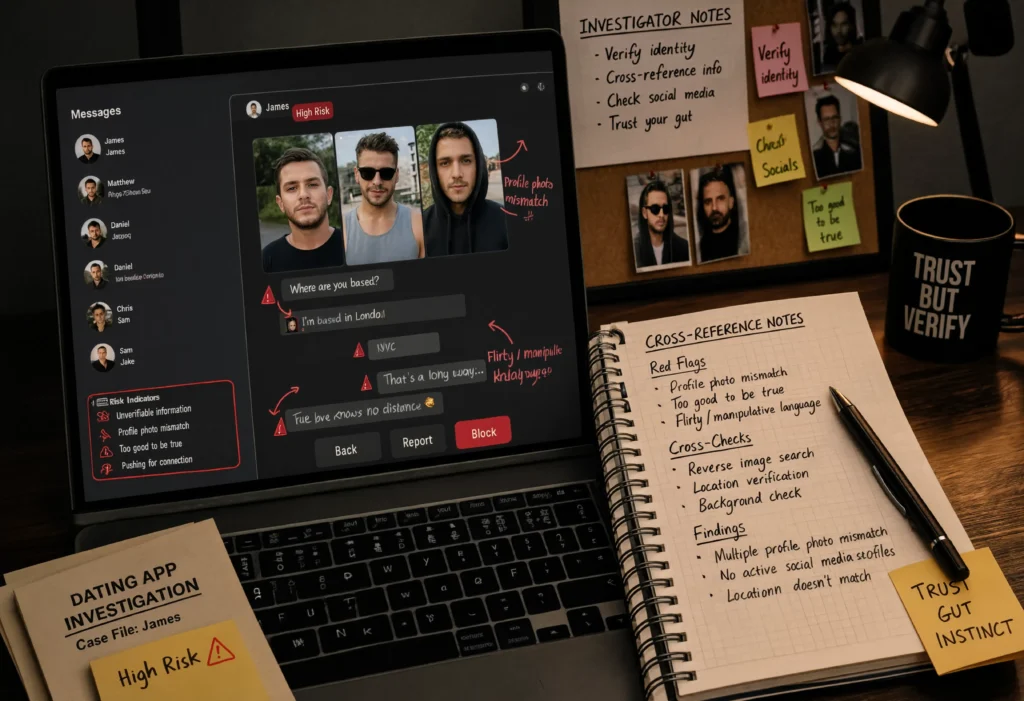
Experience Is More Than Finding Information
One of the biggest misunderstandings about private investigations is the belief that finding information is the same as gathering evidence.
It is not.
Information is everywhere. Evidence is something entirely different.
An inexperienced private detective may locate information online or obtain facts from various sources without understanding whether that information can withstand scrutiny.
An experienced private investigator understands:
- What information is relevant.
- What information is legally obtainable.
- How evidence should be documented.
- How evidence should be preserved.
- How evidence may be challenged.
- How to maintain proper chain of custody.
- How to prepare evidence for legal proceedings.
This distinction becomes particularly important when investigations may ultimately influence disciplinary hearings, civil litigation, criminal matters, insurance disputes, or family court proceedings. You do not want to put an inexperienced investigator on the stand who will succumb to cross examination or crumble under scrutiny.
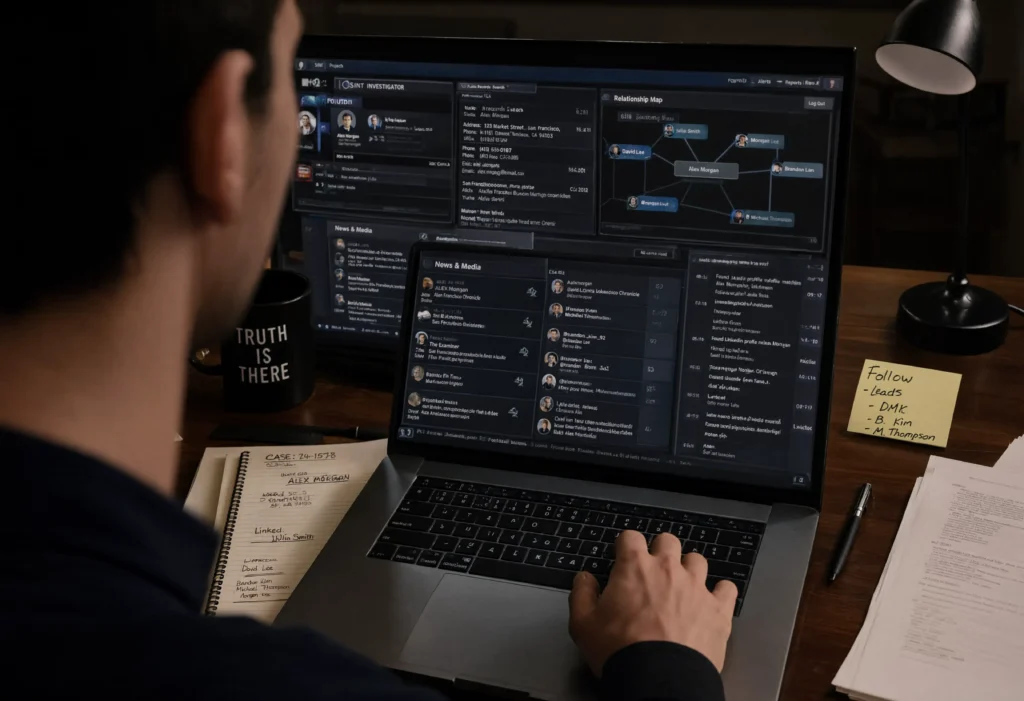
The Advantage of Pattern Recognition
Experienced investigators often appear to possess an instinct for uncovering the truth.
In reality, what many clients perceive as intuition is usually pattern recognition developed through years of investigative work.
After handling hundreds or thousands of cases, investigators begin recognising common behavioural patterns.
Examples include:
- Fraudsters using similar concealment techniques.
- Employees committing workplace theft in predictable ways.
- Insurance fraud schemes following recurring patterns.
- Romance scammers reusing scripts and tactics.
- Individuals engaged in infidelity displaying similar behavioural changes.
- Cybercriminals employing known social engineering techniques.
The more cases an investigator handles, the easier it becomes to identify anomalies and focus resources where they will have the greatest impact.
Everyone starts somewhere. Every experienced investigator was once a beginner. However, when significant financial, legal, or personal interests are involved, most clients prefer not to learn at their own expense.

Why Surveillance Experience Is Critical
Many people imagine surveillance as simply sitting in a vehicle with a camera.
Professional surveillance is far more complex.
Successful surveillance requires:
- Extensive planning.
- Situational awareness.
- Patience.
- Legal knowledge.
- Operational discipline.
- Strategic positioning.
- Adaptability.
A skilled surveillance investigator must anticipate movements before they occur, identify potential risks, and gather evidence without alerting the subject.
Common mistakes made by inexperienced operatives include:
- Following too closely.
- Parking in obvious locations.
- Repeatedly using the same vehicle.
- Failing to identify counter-surveillance behaviour.
- Exposing the operation through careless conduct.
Once a subject realises they are being observed, the investigation may be compromised entirely.
This is particularly important in:
- Cheating spouse investigations.
- Insurance investigations.
- Employee misconduct investigations.
- Corporate fraud matters.
- Asset tracing operations.

South Africa's Risk Environment Demands Skilled Investigators
South Africa continues to face significant challenges relating to fraud, corruption, cybercrime, theft, organised crime, and financial misconduct.
South Africa is consistently ranked as one of the most targeted countries for cyberattacks in Africa, with cybercrime projected to cost the country’s economy approximately R2.2 billion annually. In 2025, several high-profile organisations fell victim to cyber incidents, including the South African Weather Service, the National Health Laboratory Service (NHLS), and Dis-Chem, to name only a few.
As we reach the halfway mark of 2026, cyberattacks continue to impact prominent organisations such as AVBOB, Standard Bank, and Stats SA. We have also observed a significant increase in reported Business Email Compromise (BEC) cases throughout 2026. These attacks are particularly damaging because they often target small and medium-sized businesses, resulting in substantial financial losses, operational disruption, and reputational harm. The growing frequency of BEC incidents highlights the urgent need for organisations to strengthen their cybersecurity measures and employee awareness programmes.
As criminals become more sophisticated, investigative methodologies must evolve accordingly.
Experienced private investigators are often better equipped to adapt because they combine modern tools with proven investigative principles.

Fraud Investigations Require Strategic Thinking
Fraud investigations are rarely straightforward. Most fraudsters do not simply steal money and leave obvious evidence behind.
Experienced fraud investigators understand how to:
- Analyse financial records.
- Follow money trails.
- Identify beneficial ownership.
- Review corporate structures.
- Examine digital communications.
- Identify collusion.
- Uncover concealment methods.
- Build comprehensive timelines.
The Association of Certified Fraud Examiners reports that organisations globally lose approximately 5% of annual revenue to occupational fraud.
In South Africa, fraud investigations regularly involve:
- Procurement fraud.
- Payroll fraud.
- Investment fraud.
- Insurance fraud.
- Banking fraud.
- Internal theft.
- Corruption.
An inexperienced investigator often focuses on isolated transactions.
An experienced investigator focuses on the broader scheme.
That difference can determine whether the investigation identifies a single incident or exposes an entire network.
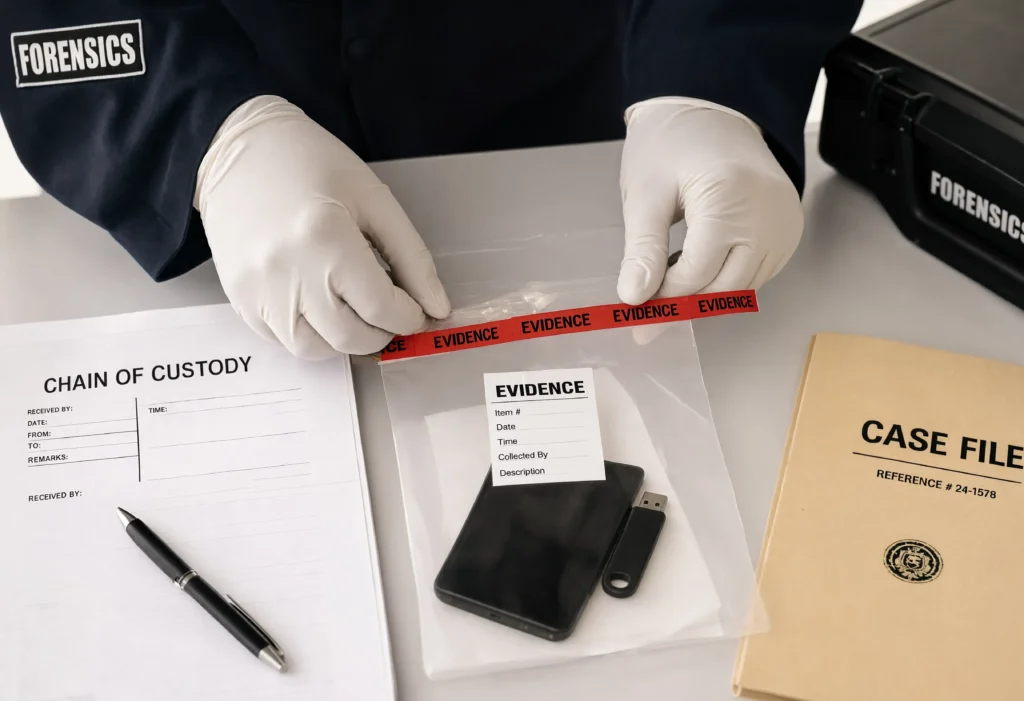
Digital Investigations Demand Specialist Expertise
Modern investigations increasingly involve digital evidence.
Today’s private investigator must understand:
- Open-source intelligence (OSINT).
- Social media investigations.
- Email compromise investigations.
- Digital evidence preservation.
- Metadata analysis.
- Cyber-enabled fraud.
- Online scam investigations.
Digital evidence is extremely fragile. Phishing attacks are not investigated by murder investigators; they are investigated by specialist digital forensic investigators. There is a huge difference. The same can be said about romance scam case. They are not investigated by general investigators, these types of crimes are too expertise driven.
A single mistake can permanently alter or destroy valuable information.
Experienced investigators understand:
- Evidence preservation.
- Authentication procedures.
- Chain of custody.
- Digital forensic principles.
- Legal compliance requirements.

Legal Knowledge Separates Professionals From Amateurs
One of the most overlooked aspects of private investigations is legal compliance.
A professional private investigator must understand:
- POPIA.
- Evidence law.
- Labour legislation.
- Defamation risks.
- Privacy rights.
- Criminal procedure.
- Civil procedure.
An experienced investigator knows where the legal boundaries exist. This protects both the investigator and the client.
Unfortunately, some individuals advertise investigative services while claiming they can obtain:
- Bank statements.
- Cellphone records.
- WhatsApp messages.
- Financial records.
These promises are often illegal. Any investigator suggesting unlawful methods should be avoided immediately. As private investigators, we have clear legal and ethical boundaries that must not be crossed. We are not law enforcement, and there is an important distinction between the role of a private investigator and that of the police.
A reputable investigator gathers evidence legally, ethically, and professionally.

Why Businesses Prefer Experienced Investigators
Businesses often face significant risks when dealing with:
- Employee misconduct.
- Workplace theft.
- Procurement irregularities.
- Due diligence concerns.
- Vendor fraud.
- Intellectual property theft.
- Conflict-of-interest matters.
Corporate investigations require far more than simply gathering facts.
Businesses require findings that are:
- Objective.
- Defensible.
- Accurate.
- Legally compliant.
- Professionally documented.
Experienced investigators understand how to balance investigative objectives with operational realities.
Experience Saves Time and Money
Many people assume experienced investigators are more expensive. In reality, experience frequently reduces overall costs.
Why?
Because experienced investigators:
- Avoid unnecessary investigative steps.
- Identify relevant leads faster.
- Recognise dead ends sooner.
- Apply proven methodologies.
- Focus resources effectively.
A less experienced investigator may spend weeks pursuing irrelevant information.
An experienced investigator often reaches meaningful conclusions far more efficiently.
This becomes particularly important when investigations are billed hourly. PI INVESTIGATOR does not charge on an hourly basis. Instead, we provide clients with a clear mandate that outlines the scope, objectives, and expectations of the investigation from the outset. This approach ensures transparency and allows clients to budget accordingly without the risk of unexpected costs or billing surprises.
Court Experience Creates Better Investigators
Investigators who regularly work with attorneys develop a deeper understanding of evidentiary requirements.
Every decision is made with future scrutiny in mind.
Experienced investigators constantly ask:
- Can this evidence be challenged?
- Is this information independently verifiable?
- Have we documented everything properly?
- Would this withstand cross-examination?
This mindset creates stronger investigations and more reliable outcomes.
Experience Improves Risk Assessment
Every investigation involves risk.
An experienced private investigator evaluates:
- Operational risks.
- Financial risks.
- Legal risks.
- Reputational risks.
- Safety risks.
This enables clients to make informed decisions before committing resources.
Sometimes the most valuable outcome is not discovering evidence.
Sometimes it is understanding the risks associated with pursuing a particular course of action.
Why Clients Across South Africa Choose PI Investigator
At PI INVESTIGATOR, experience forms the foundation of every investigation we undertake.
Our investigative capabilities include:
- Fraud investigations.
- Corporate investigations.
- Asset tracing.
- Surveillance operations.
- Background checks.
- Cyber investigations.
- Sextortion investigations.
- Cheating spouse investigations.
- Murder Investigations.
Every investigation is unique. There is no universal formula.
Instead, we apply proven investigative methodologies while tailoring our approach to the specific needs of each client.
Whether you require a private investigator in Johannesburg, Cape Town, Pretoria, Durban, or anywhere else in South Africa, our objective remains the same:
To obtain accurate, reliable, legally defensible information while protecting your interests.

How to Evaluate a Private Investigator Before Hiring
Before appointing an investigator, ask:
- How many years of investigative experience do you have?
- What types of investigations do you specialise in?
- Are you PSIRA registered?
- Have you worked on similar matters before?
- How do you preserve evidence?
- How will findings be documented?
- What legal considerations apply?
- Have you testified or supported attorneys in legal proceedings?
The answers often reveal the difference between a professional investigator and someone simply offering investigative services.
FAQ: Experience and Private Investigations
Does a private investigator need experience to conduct surveillance effectively?
Absolutely. Surveillance requires planning, situational awareness, legal knowledge, and the ability to remain undetected for extended periods.
Why do experienced investigators solve cases faster?
They recognise behavioural patterns, avoid common mistakes, and focus on the most productive investigative avenues.
Can an inexperienced investigator damage a case?
Yes. Improper evidence handling, unlawful information gathering, or poor documentation can significantly weaken a case.
Is experience important in fraud investigations?
Fraud investigations often involve complex financial analysis and hidden relationships. Experience helps uncover the full scheme rather than isolated incidents.
Why is legal knowledge important for private investigators?
Evidence obtained unlawfully can be challenged or excluded. Experienced investigators understand the legal framework governing investigations.
Can private investigators assist attorneys?
Yes. Many experienced investigators provide litigation support, witness interviews, evidence collection, and investigative reports.
Does digital evidence require specialist skills?
Yes. Digital evidence can be altered or destroyed easily. Proper preservation and documentation are essential.
Should I hire a private investigator as soon as possible?
Generally, yes. Delays often result in lost evidence, fading memories, and missed investigative opportunities.
What industries commonly use private investigators?
Financial institutions, insurance companies, law firms, corporate organisations, government entities, and private individuals regularly engage investigators.
How do I know if a private investigator is legitimate?
Verify PSIRA registration, ask about experience, review their website, examine testimonials, and discuss previous case experience.
Can a private investigator work anywhere in South Africa?
Many professional investigation firms, including PI Investigator, provide nationwide investigative services.
Is experience more important than cost?
In most cases, yes. An experienced investigator often delivers better results, avoids costly mistakes, and reduces the overall cost of an investigation.
Final Thoughts
Private investigations are rarely straightforward.
People conceal information.
Witnesses change their stories.
Evidence disappears.
Technology evolves.
Criminals adapt.
Successfully navigating these challenges requires far more than enthusiasm or access to databases.
It requires experience.
When you hire an experienced private investigator, you are investing in:
- Knowledge.
- Judgment.
- Strategy.
- Legal awareness.
- Professional methodology.
- Problem-solving ability.
Most importantly, you are investing in the likelihood of obtaining reliable answers.
And in the investigative profession, reliable answers are ultimately what matter most.