
Romance Scams: Red Flags and Evidence Checklist (South Africa)
Romance scams are one of the fastest-growing forms of cybercrime in South Africa. As a professional investigator at PI INVESTIGATOR, we have seen firsthand how sophisticated criminals manipulate trust, emotions, and vulnerability to exploit victims financially and psychologically. These scams affect individuals across South Africa and the entire country — and no one is immune.
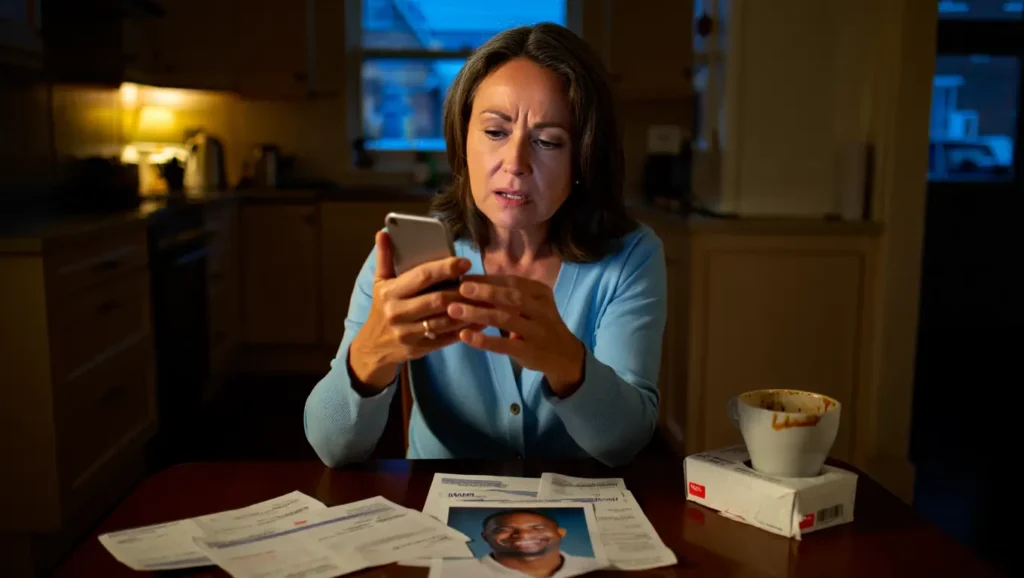
Victims are often older women—particularly those who are widowed or divorced—seeking companionship later in life. However, it is important to note that romance scams can affect anyone, regardless of age or background.
Many of these scams originate on dating platforms such as Tinder and similar sites, where criminals actively create fake profiles to target potential victims. These platforms can become a “hunting ground” for scammers who exploit trust and emotional vulnerability.
More than 80% of profiles on unregulated dating websites are scammers.
There is growing concern that dating platforms should strengthen their verification and monitoring systems. Although most companies do implement security measures, the persistence of fake profiles highlights the need for more robust enforcement, identity verification, and proactive fraud detection to better protect users from ongoing exploitation.
This comprehensive guide will help you:
- Identify romance scam red flags
- Understand how scammers operate
- Learn what evidence to preserve
- Take immediate action if you’ve been targeted
- Prevent future scams
We also explain how PI INVESTIGATOR assists victims with court-ready evidence and professional investigations.
What is a Romance Scam?
A romance scam occurs when a criminal creates a fake identity online to form a relationship with a victim, ultimately manipulating them into sending money, sensitive information, or access to accounts. There are different synonyms for these types of scams including 419 scammers and sweat heart scams.
These scams typically occur on:
- Dating apps (Tinder, Bumble)
- Social media platforms (Facebook, Instagram)
- Messaging apps (WhatsApp, Telegram)
According to Interpol, romance scams are often run by organised criminal syndicates operating across borders, making them complex to investigate without professional assistance.
South Africa has its very own syndicates predominately ran by Nigerian national. They are the most active targeting victims internationally.
How Romance Scammers Operate
1. Targeting
They identify emotionally vulnerable individuals:
- Recently divorced
- Widowed
- Lonely professionals
- Elderly individuals
2. Grooming
They build emotional trust:
- Daily communication
- Love bombing (“I love you” within days)
- Sharing fake personal stories
3. Isolation
Phishing messages create panic or urgency, forcing victims to act quickly:
- “Act within 24 hours or your account will be blocked”
- “Immediate verification required”
This psychological manipulation is the most effective tactic used by cybercriminals.
4. Financial Exploitation
Common requests include:
- Emergency medical expenses
- Travel costs to visit you
- Investment opportunities (crypto scams)
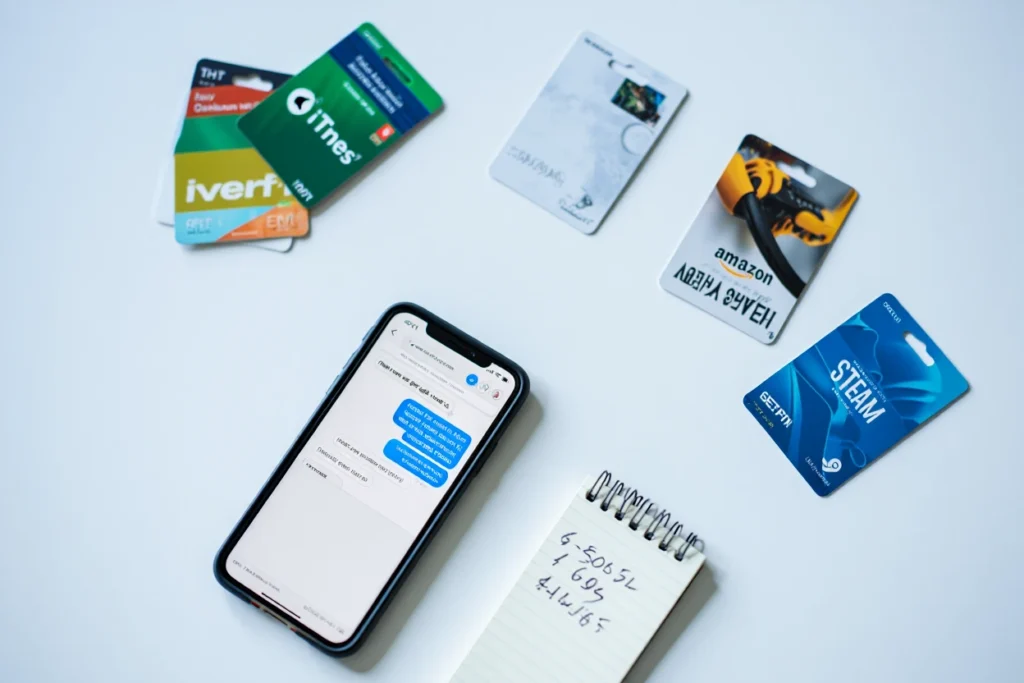
Gift cards or vouchers

5. Disappearance
Once money is sent:
- Communication stops
- Profiles are deleted
- New victims are targeted
Romance Scam Red Flags
Recognising these warning signs early can save you significant loss:
Identity Red Flags
- Profile photos look too professional
- Reverse image search reveals multiple identities
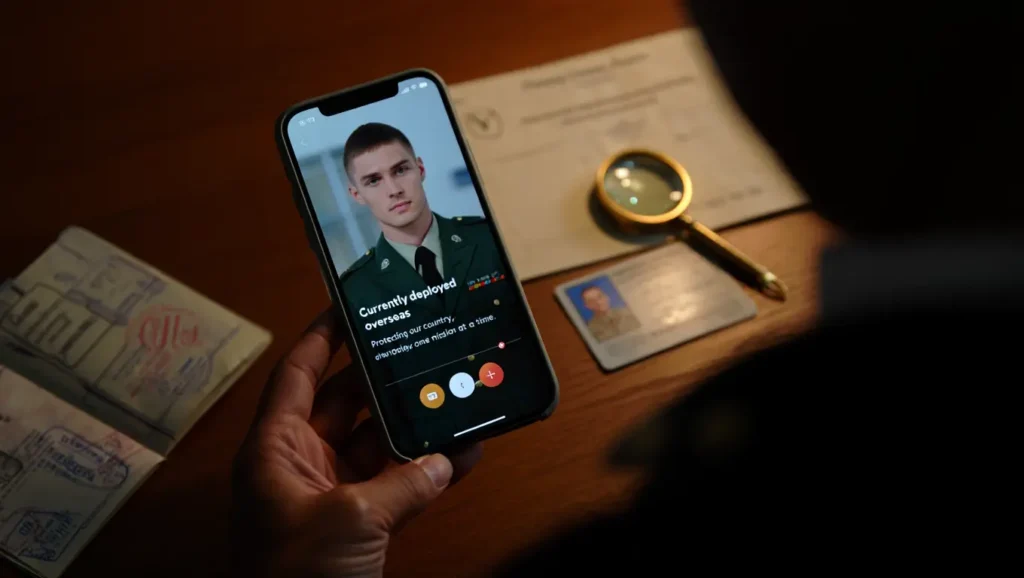
- Claims to be working overseas (military, oil rigs, UN missions)
Communication Red Flags
- Poor grammar but claims to be highly educated
- Avoids video calls or uses pre-recorded videos
- Always has excuses for not meeting in person
Behaviour Red Flags
- Quickly declares love
- Creates urgency (emergencies, threats)
- Requests secrecy
Financial Red Flags
- Requests money via:
- Cryptocurrency
- Gift cards
- EFT transfers
- Refuses legitimate payment methods or requesting funds to be paid into different bank accounts. These are usually money mules.
Private Investigators have made inroads in arresting Nigerian kingpins involved in these scams over the years and continue to assist victims. This is why a cyber crime investigator is so important for guidance and assisting with identifying suspects. PI INVESTIGATOR has investigators all over South Africa, including Cape Town, Johannesburg and Pretoria.
We are committed to preventing scams and guiding victims through the recovery process. Explore our other blogs for practical, expert advice on how to recognize, respond to, and navigate online scams effectively.
Evidence Checklist: What You MUST Preserve
If you suspect a romance scam, evidence preservation is critical. Many cases fail due to poor documentation.
Digital Communication Evidence
- backup of chats (WhatsApp, Telegram, email)
- Voice notes and call logs
- Video call recordings (if available)
Profile & Identity Evidence
- Profile URLs
- Usernames and IDs
- Profile images
Financial Evidence
- Bank statements
- Proof of payments
- Cryptocurrency wallet addresses
- Transaction IDs
Technical Evidence
- Email headers
- IP logs (if accessible)
- Device information
Timeline Documentation
Create a detailed timeline:
- First contact date
- Key events
- Dates and amounts of payments
Why Evidence Matters
Properly collected evidence:
- Strengthens your criminal case
- Assists law enforcement such as South African Police Service
- Enables asset tracing and recovery
- Supports court proceedings
At PI INVESTIGATOR, we ensure:
- Chain-of-custody compliance
- Legally obtained evidence
- Structured investigation reports
- Expert testimony when required

What To Do If You Are a Victim
1. Stop Communication Immediately
Do not engage further. Scammers are trained manipulators.
2. Notify Your Bank
Request:
- Transaction freeze
- Fraud investigation
- Interbank alerts
3. Secure Your Accounts
- Change passwords
- Enable 2FA
- Revoke suspicious access
4. Preserve Evidence
Do NOT delete messages or accounts.
5. Consult a Professional Investigator
This is where PI INVESTIGATOR plays a critical role.
How To Protect Yourself from Romance Scams
Verify Identity Early
- Conduct reverse image searches
- Request live video calls
Never Send Money
Especially to someone you have never met in person.
Be Skeptical of Fast Relationships
Love takes time. Scammers rush.
Avoid Moving Conversations Off Platforms
Stay on secure platforms where possible.
Enable Security Measures
- Two-Factor Authentication (2FA)
- Strong passwords
Trust Your Instincts
If something feels off — it usually is.
Ensuring It Never Happens Again
Victims often suffer repeat targeting. Protect yourself by:
- Educating yourself on scam patterns
- Strengthening digital security
- Avoiding oversharing online
Consulting professionals early
Frequently Asked Questions (FAQ)
1. Can a romance scammer be traced?
Yes. Despite attempts to hide, scammers leave digital footprints. A professional investigator can trace these through technical and financial analysis
2. Can I recover my money?
Recovery depends on speed of action. Early reporting increases chances. Cryptocurrency cases are more complex but still traceable.
3. Should I report to SAPS?
Yes. Always open a criminal case with SAPS. This is essential for legal processes.
4. Can PI INVESTIGATOR testify in court?
Yes. We are often called upon to provide expert testimony and present evidence in court proceedings.
5. Is your service confidential?
Absolutely. We comply with POPIA and maintain strict confidentiality protocols.
6. Can scammers access my personal data?
Yes, especially if you shared information. Immediate account security is critical.
7. Are romance scams common in South Africa?
Yes. They are rapidly increasing, particularly in urban areas like Johannesburg and Cape Town.
8. What if I feel embarrassed?
There is no shame. These criminals are highly sophisticated. Seeking help early is key.
9. Can crypto scams linked to romance scams be traced?
Yes. Wallet tracking and exchange cooperation can identify suspects.
10. How much does an investigation cost?
Costs vary depending on complexity. Consultation is recommended to assess scope and affordability.
Final Word
Romance scams are not just financial crimes — they are deeply personal violations of trust. The sooner you act, the stronger your case becomes.
If you suspect you are being targeted or have already fallen victim, seek professional assistance immediately.
PI INVESTIGATOR is here to help — confidentially, professionally, and effectively.