
Private Investigators and Court-Ready Evidence in South Africa
In South Africa, winning a legal dispute is rarely about who tells the most convincing story. It comes down to evidence — how it was obtained, how it was preserved, and whether it can survive legal scrutiny in a court of law.
Whether a matter involves fraud, cybercrime, infidelity, internal theft, insurance fraud, employee misconduct, extortion, or civil litigation, evidence is often the foundation upon which the entire case rests. Unfortunately, many people only realise this once crucial information has already disappeared.
CCTV systems overwrite footage. Mobile devices are reset. Emails are deleted. Witnesses change their stories. Financial records vanish. Digital footprints become harder to trace.
This is precisely why experienced private investigators are often brought into matters long before litigation formally begins.
At PI INVESTIGATOR, investigations are approached strategically from day one. The objective is not simply to “find information,” but rather to build credible, legally compliant, court-ready evidence capable of supporting attorneys, insurers, businesses, and private individuals throughout South Africa.
We offer professional private investigative services in Johannesburg, Cape Town, Pretoria, and throughout South Africa.
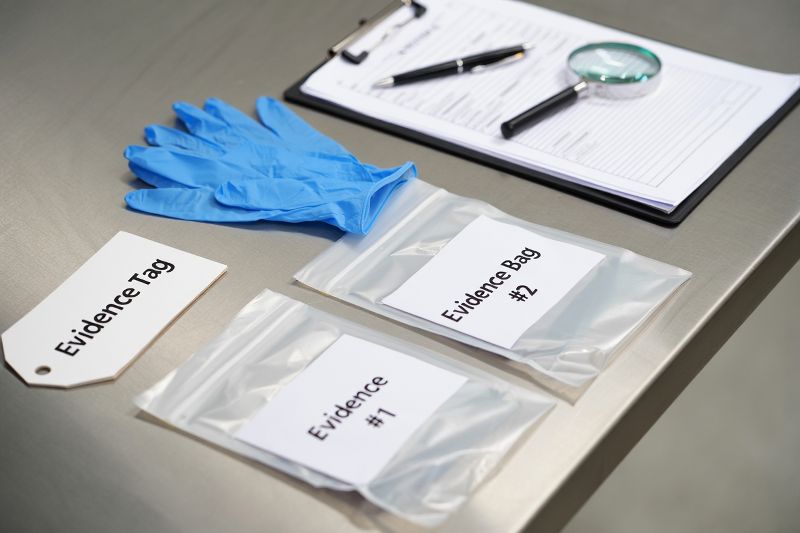
Why Evidence Often Fails in South African Cases
One of the harsh realities within the South African legal system is that many cases collapse because of insufficient or compromised evidence.
According to publicly available figures from the South African Police Service (SAPS), millions of criminal matters over the years have been closed or not successfully prosecuted due to evidential shortcomings, witness challenges, resource limitations, or investigative complications.
However, the issue is not always the absence of evidence.
In many cases, evidence exists — but it was:
- Obtained unlawfully
- Poorly documented
- Altered unintentionally
- Collected without proper chain-of-custody procedures
- Gathered in violation of privacy legislation
- Captured by inexperienced or unregistered investigators
This is where professional private investigators become critically important.
A properly conducted investigation can help preserve evidence correctly from the outset while reducing the risk of evidential contamination later. Private investigators cannot be bias when conducting investigations, we do have an interest to resolve the case in favor of our clients, and however we cannot be oblivious to the truth.
What Makes Evidence “Court-Ready”?
Court-ready evidence refers to evidence that can withstand legal examination and scrutiny.
This generally means the evidence must be:
- Relevant to the dispute
- Legally obtained
- Properly preserved
- Authentic and verifiable
- Supported by documentation
- Capable of being explained by a credible investigator or expert witness
Court-ready evidence may include:
- Surveillance footage
- Time-stamped photographs
- Video recordings
- Witness statements
- Financial records
- Email headers
- Metadata
- Device activity logs
- Social media intelligence
- GPS movement analysis
- Corporate records
- Asset tracing reports
- Digital forensic findings
Importantly, evidence alone is often insufficient.
The court may also require an experienced investigator capable of explaining:
- How the evidence was obtained
- The investigative methodology used
- Whether legal procedures were followed
- How evidential integrity was maintained
This is why experience, professionalism, and legal understanding matter significantly in modern investigations.

The Importance of Legally Obtained Evidence
A major misconception in South Africa is that “any evidence is good evidence.”
That is not true.
Irrespective of what a person may be guilty of, constitutional rights still apply. South African law places strong emphasis on privacy rights, lawful investigative conduct, and evidential fairness.
Investigators must work within legislation such as:
- POPIA (Protection of Personal Information Act)
- RICA (Regulation of Interception of Communications Act)
- Cybercrimes Act
- Labour legislation
- South African rules of evidence
For example, professional investigators do not unlawfully intercept WhatsApp messages, hack accounts, or illegally obtain phone records.
Instead, lawful investigators focus on defensible investigative methodologies that protect:
- The integrity of the evidence
- The admissibility of the findings
- The legal position of the client
This distinction is extremely important.
Improper evidence collection can expose complainants themselves to civil liability, criminal allegations, or evidential exclusion.
When Should You Hire a Private Investigator?

In many investigations, timing determines success.
One of the most common mistakes people make is waiting too long before consulting professionals.
By the time legal proceedings begin:
- CCTV footage may already be deleted
- Access logs may have expired
- Financial trails may have become obscured
- Devices may have been formatted
- Witnesses may disappear
- Suspects may destroy evidence
In reality, the best time to engage a professional investigator is usually immediately after discovering suspicious activity.
This allows investigators to:
- Preserve volatile evidence
- Secure digital logs
- Conduct early surveillance
- Trace financial movement
- Identify involved parties
- Document timelines accurately
How Private Investigators Build Stronger Legal Cases
1. Surveillance Investigations
Surveillance remains one of the most powerful investigative tools available.
Professional surveillance investigations involve far more than simply “watching someone.”
Modern surveillance may include:
- Behavioural analysis
- Movement verification
- Time-stamped documentation
- Vehicle tracking observations
- High-resolution photographic evidence
- Video evidence collection
- Corroboration of witness statements
Surveillance is frequently used in:
- Infidelity matters
- Insurance fraud
- Employee misconduct
- Theft investigations
- Child custody disputes
- Corporate investigations
2. Cybercrime and Digital Investigations
Cyber-enabled crime continues to rise dramatically across South Africa.
According to INTERPOL, cybercrime has become one of the fastest-growing criminal threats globally.
Modern investigations increasingly involve:
- Business Email Compromise (BEC)
- Identity theft
- Phishing attacks
- Online scams
- Sextortion
- Social engineering
- Insider threats
- Data leaks
Professional investigators may conduct:
- Metadata analysis
- Email header examinations
- Access log analysis
- IP tracing
- Device examinations
- Digital timeline reconstruction
Digital evidence is particularly sensitive because improperly handled devices can destroy crucial metadata.
3. Fraud Investigations
Fraud investigations often involve combining several investigative disciplines simultaneously.
Professional fraud investigations may include:
- Financial tracing
- Corporate background checks
- Asset tracing
- Open-source intelligence
- Surveillance
- Digital analysis
- Identity verification
According to the Association of Certified Fraud Examiners (ACFE), organisations globally lose an estimated 5% of annual revenue to occupational fraud.
Investigators often help establish:
- How the fraud occurred
- Who benefited financially
- Associated companies or individuals
- Potential recovery avenues
- Whether collusion existed
4. Background Checks and Due Diligence
Background investigations are essential for both individuals and businesses.
A professional background investigation may uncover:
- Criminal histories
- Litigation history
- Financial distress
- Employment discrepancies
- Identity inconsistencies
- Undisclosed business interests
- Fraud indicators
This is especially important during:
- Employment screening
- Partnership negotiations
- Mergers and acquisitions
- Tenant vetting
- Investment opportunities
5. Chain of Custody Procedures
Chain of custody is one of the most overlooked — yet most important — aspects of any investigation.
Chain of custody refers to the documented handling of evidence from collection to presentation.
Proper chain-of-custody procedures help prove:
- Evidence was not altered
- Evidence remained secure
- Evidence remained authentic
- The findings are reliable
This becomes especially critical in:
- Digital forensic matters
- Criminal investigations
- Fraud cases
- Labour disputes
- Civil litigation
A compromised chain of custody can significantly weaken even the strongest case.
Why Experience Matters in Private Investigations

There is a substantial difference between gathering information and conducting a legally defensible investigation.
Experienced investigators understand:
- Legal limitations
- Constitutional rights
- Evidentiary requirements
- Courtroom expectations
- Documentation protocols
- Surveillance methodology
- Digital forensic preservation
An inexperienced investigator may unintentionally:
- Violate privacy legislation
- Destroy metadata
- Compromise surveillance
- Expose the client to liability
- Render evidence inadmissible
At PI INVESTIGATOR, investigations are conducted with professionalism, discretion, legality, and evidential integrity at the forefront.
Why Businesses Use Private Investigators

Businesses increasingly rely on professional investigators to reduce operational risk and strengthen litigation support.
Corporate investigations commonly involve:
- Procurement fraud
- Internal theft
- Employee misconduct
- Corruption allegations
- Intellectual property theft
- Vendor due diligence
- Insurance fraud
- Shareholder disputes
Professional investigators help businesses obtain objective evidence capable of supporting:
- Labour hearings
- Internal disciplinary processes
- Insurance disputes
- Criminal complaints
- Civil litigation

The Growing Role of Digital Evidence
Modern legal disputes increasingly revolve around digital evidence.
However, screenshots alone are rarely enough.
Professional investigators help preserve:
- Authentication records
- Email metadata
- Device timelines
- Access logs
- Cloud activity
- IP records
- Geolocation information
Proper forensic handling significantly improves evidential credibility.

Private Investigations Across South Africa
Professional investigations often require local knowledge, rapid response capability, and nationwide operational reach.
PI INVESTIGATOR assists clients throughout:
- Johannesburg
- Cape Town
- Pretoria
- Durban
- Gauteng
- Western Cape
- South Africa nationally
FAQ
Can a private investigator legally conduct surveillance in South Africa?
Yes, provided the surveillance is conducted lawfully and does not violate constitutional privacy rights or other applicable legislation.
Can evidence gathered by a private investigator be used in court?
Yes. Legally obtained and properly preserved evidence may be admissible in civil, criminal, labour, and disciplinary proceedings.
What happens if evidence was obtained unlawfully?
Unlawfully obtained evidence may be challenged, excluded, or expose the complainant to legal risk.
Can a private investigator recover deleted digital evidence?
In some cases, digital forensic investigators may recover deleted information depending on the device, time elapsed, and system activity.
Why is metadata important in investigations?
Metadata helps verify authenticity, timelines, user activity, locations, and document history.
Can a private investigator assist attorneys with litigation support?
Yes. Investigators frequently work alongside attorneys by gathering evidence, tracing witnesses, conducting surveillance, and compiling reports.
How long should evidence be preserved?
Evidence should be preserved immediately once suspicious activity or misconduct is identified to reduce the risk of deletion or contamination.
Are private investigators regulated in South Africa?
Yes. Professional investigators should be registered with the Private Security Industry Regulatory Authority (PSIRA).
Can private investigators help with online scams?
Yes. Investigators may assist with digital tracing, evidence preservation, financial analysis, and cybercrime investigations.
Why is early intervention important in investigations?
Early intervention improves the chances of preserving digital evidence, CCTV footage, financial trails, and witness testimony.
Suggested Additional Internal Links
Additional natural internal linking opportunities from this article include:
- “Business Email Compromise”
- “Cybercrime investigations”
- “Asset tracing”
- “Employee misconduct investigations”
- “Surveillance investigations”
- “Digital forensic investigations”
- “Infidelity investigations”
- “Fraud investigations in South Africa”
- “Background checks”
“Corporate investigations”
Conclusion
Successful legal matters are rarely built on assumptions alone. They are built on evidence that is credible, lawful, properly preserved, and professionally documented.
Professional private investigators play an increasingly important role in helping individuals, attorneys, insurers, and businesses strengthen their legal position before court proceedings even begin.
From surveillance operations and fraud investigations to digital forensic analysis and litigation support, the quality of the investigation often determines the strength of the case itself.
When evidence matters, the way it is obtained matters even more.