
Romance Scam Investigators: Inside the Syndicates Selling Fake Love to South Africans
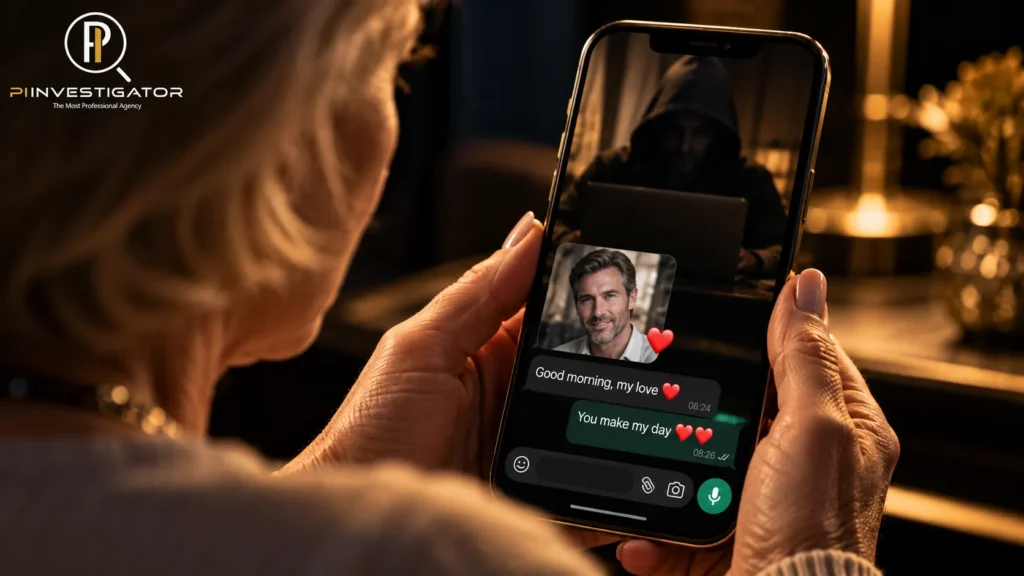
Picture a rented house in a quiet Johannesburg suburb. A young man sits at a laptop with a script in one window and six WhatsApp chats in another. Each chat is with a different woman. Each woman believes she is talking to the man she will one day marry. This man is not the navy seal or the engineer working in the gulf, he is actually a romance scammer who never worked a day in his life.
It sounds like a crime drama, but it is a fair picture of what investigators found this year. When INTERPOL announced the results of Operation Jackal IV in August 2026, it described a Johannesburg syndicate of various role players.
That detail changes everything about how you should think about romance scams. You are not up against a lonely con artist. You are up against a business. At PI INVESTIGATOR, South Africa’s leading team of romance scam investigators, we see that business from the other side every week, in the lives of the people it has targeted.
Romance Fraud Is Now an Industry
Operation Jackal IV ran from November 2025 to June 2026 across 22 countries. Of its 58 arrests, 39 were made in South Africa after police raided seven Johannesburg properties linked to romance and investment scams aimed at retirees in English-speaking countries. Authorities seized about US$2.67 million and blocked 257 bank accounts.
The same industrial model shows up worldwide. In March 2026, Meta disabled more than 150,000 accounts linked to scam centres in Southeast Asia, many of them staffed partly by trafficked workers. Scam compounds run shifts, track targets and share scripts that are tested and refined, just like a sales floor.
In other words, the “person” texting you good morning may be a role filled by several people, working from a playbook designed to separate you from your money.
The South African Cases Making Headlines in 2026
South Africa is both a target and a base for these networks. Three recent cases show the range:
- A R14 million dating-site fraud. In July 2026, the Hawks arrested two more suspects in a romance fraud and money laundering case heard in the Muizenberg Magistrate’s Court. A fake dating profile allegedly used flirtatious messages, then “failed trips” and “urgent fines”, to draw payments into several bank accounts. Five co-accused had been arrested earlier in the year.
- A Facebook romance that ended in a “prayer room”. In March 2026, police rescued a Gauteng woman in Mmabatho after she allegedly handed over about R1 million, reportedly from her pension, to a man she met on Facebook. She was allegedly held against her will during a ritual meant to “multiply” her money. Two men were arrested on fraud charges. This is known as ancestral scams, which manifest from a romance scam.
- A Cape Town cell sent to face US courts. In September 2026, six Nigerian nationals arrested in Cape Town in 2021 were extradited to the United States. Prosecutors allege they defrauded more than 100 American women of over R100 million using fake profiles, dating sites and internet phone numbers.
These cases took years to reach court. That is the reality of romance fraud: the money moves in minutes, and justice moves slowly.
The Numbers Behind the Heartbreak
Romance fraud is badly underreported because victims feel embarrassed. Treat every figure below as the minimum, not the full picture.
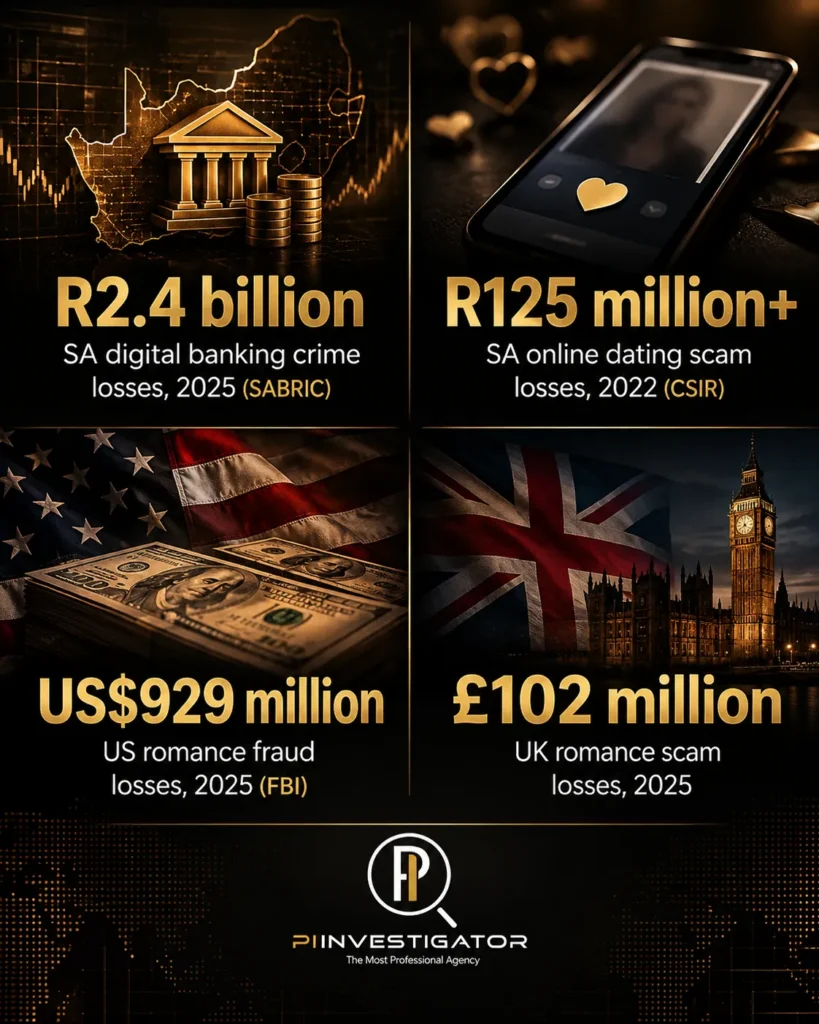
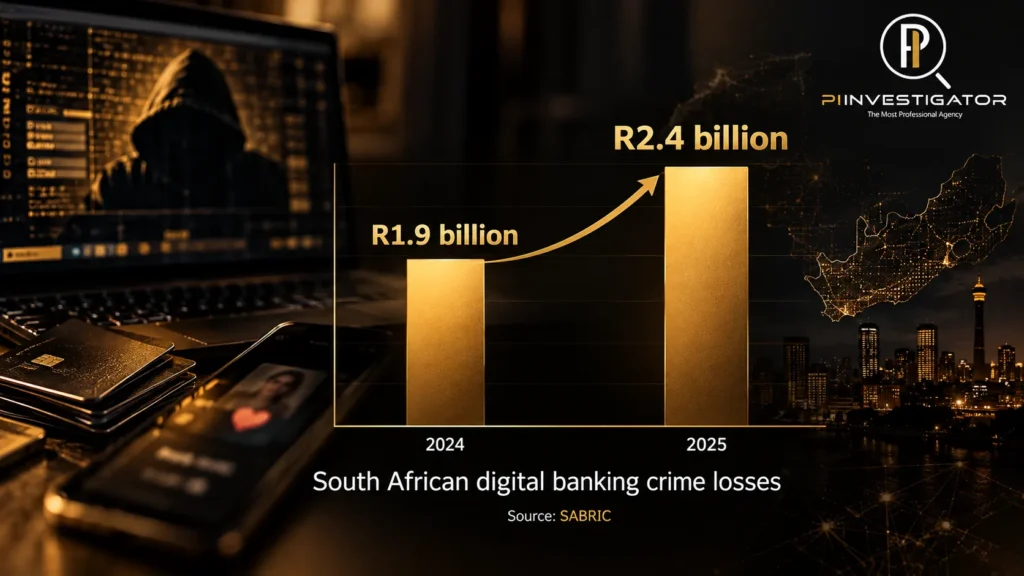
- 4 billion was lost to digital banking crime in South Africa in 2025, up from about R1.9 billion in 2024, according to SABRIC’s 2025 crime statistics release. Banking app fraud made up more than 70% of those losses.
- More than R125 million was lost by South Africans to online dating scammers in 2022 alone, according to CSIR figures reported by Moonstone.
- US$929 million was lost to confidence and romance fraud in the United States in 2025, across 23,159 complaints to the FBI. Americans over 60 lost US$7.7 billion to cybercrime overall, according to an analysis of the FBI’s 2025 IC3 report.
- £102 million was lost to romance scams in the UK in 2025, about £280,000 a day, with reports up 29%. People aged 55 to 74 accounted for almost half of all losses. Men filed the most reports, but women lost the most money, according to City of London Police figures.
The pattern is the same everywhere: losses are rising, older adults lose the most, and men are targeted far more often than most people assume.
Meet the “Staff”: The Roles Inside a Romance Scam Syndicate
Once you understand that a romance scam is a team effort, the strange inconsistencies in your “partner’s” behaviour start to make sense. Different people, different shifts, different styles. Here are the roles we see again and again:
- The profile builder. Steals photos from real people’s social media, invents a job that explains constant travel (offshore engineer, military doctor, UN contractor) and creates a sympathetic backstory, often a widower raising a child alone.
- The “conversion” agent. This is the charming one. Daily good-morning messages, pet names, poems and talk of a future together. The goal is to move you off the dating app and onto WhatsApp, Telegram or Google Chat as quickly as possible.
- The closer. Arrives when trust is high. Suddenly there is a crisis: a customs hold, a frozen account, a medical bill or a “guaranteed” crypto opportunity. The request is always urgent, always “just this once”.
- The “retention” agent. Keeps you paying. When you hesitate, this person uses guilt, anger or tears. Later, they may reappear as a fake lawyer, banker or “recovery agent” who can get your money back for a fee.
- The money mules. Ordinary bank account holders who receive your money and pass it on. Some are paid. Some are victims themselves, persuaded to “help” the person they love.
You don’t need to know how investigators unravel these networks. You only need to recognise that the script exists, because once you see the script, it loses its power.
AI Has Killed the Photo Test
For years, the advice was simple: ask for a photo holding a sign, or insist on a video call. That advice is out of date.
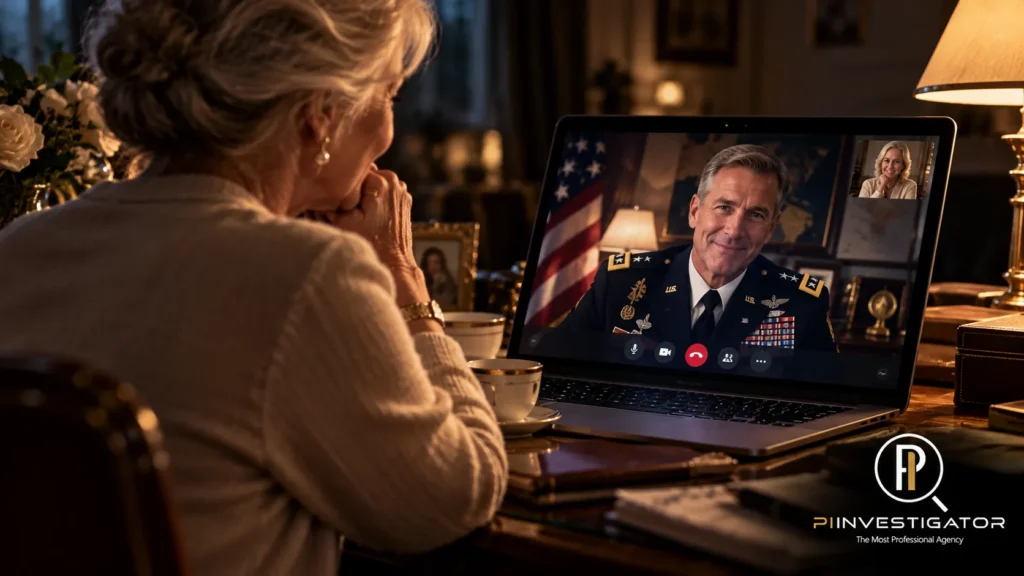
In February 2026, KnowBe4’s Roger Grimes warned of what he called the “Death of the Photo Test”. Generative AI can now produce a photo matching any request, and live face-swapping and voice cloning can work on ordinary video platforms. Grimes put the odds that a money request from an online romantic contact is a scam at 99.99%.
The FBI’s 2025 data reflects the shift: over 22,000 complaints referenced AI, with about US$893 million in reported losses. So trust the pattern, not the picture.
Red Flags You Should Never Ignore
- They say “I love you” within days or weeks.
- Video calls are always short, blurry, frozen or cancelled at the last minute.
- Every plan to meet falls through.
- Their story, accent or time zone doesn’t quite add up.
- They ask for money, crypto, gift cards, OTPs or your banking details, however small the first request.
- They want the relationship kept secret from friends and family.
- They offer to “teach” you to invest or trade.
- They ask you to receive money or parcels on their behalf.
- They become angry or desperate when you say no.
When Love Turns to Blackmail
Some romance scams change shape overnight. Once intimate images are shared, the “partner” becomes a blackmailer, threatening to send them to family, colleagues or social media unless you pay.
If this is happening, don’t pay, don’t delete anything and don’t face it alone. Our specialists handle sextortion and extortion cases in Johannesburg, sextortion in Pretoria and extortion cases across Gauteng with complete discretion. Sharing someone’s intimate images without consent is a crime under South Africa’s Cybercrimes Act.

Already Sent Money? Act in the First Hour
Speed matters more than anything else.
- Stop all payments, even if they promise to pay you back.
- Call your bank’s fraud line immediately and ask them to stop or recall the transfer.
- Keep everything: screenshots, chats, voice notes, bank slips and phone numbers.
- Beware of “recovery” offers. Anyone online promising to get your money back for an upfront fee is often the same syndicate returning for more.
- Watch for follow-up links. Romance fraud and phishing often go together, so read our guide to protecting yourself from phishing scams.
- Speak to a registered investigator before you send another cent.
Why South Africans Turn to PI INVESTIGATOR
When the person you trusted turns out to be a team of strangers, you need someone who has seen it all before. PI INVESTIGATOR is a PSIRA-registered agency and one of South Africa’s most experienced names in cyber crime investigations. We help clients find out who they are really talking to, build evidence the police can act on, and decide on their next step.
We work nationally, with dedicated teams for cybercrime investigations in Johannesburg, cyber crime investigations in Cape Town and cases throughout South Africa. Every case is handled confidentially and without judgement.
Frequently Asked Questions
How do I know if I’m talking to a romance scammer?
If they won’t meet, won’t do a clear live video call and eventually ask for money, assume it’s a scam until proven otherwise.
Can I get my money back from a romance scam?
Almost never. Your best chance is contacting your bank within hours. Once money moves offshore or into crypto, recovery becomes very difficult.
How do I report a romance scam in South Africa?
Call your bank first, then open a case at SAPS. Report the profile to the platform and keep all your evidence.
Can a scammer fake a video call?
Yes. Deepfake and face-swap tools can make a fake person look real on camera. A live call is no longer proof of identity.
Can I get into trouble for receiving money for someone I met online?
Yes. Letting someone use your bank account can expose you to a money laundering investigation, even if you were deceived. Stop immediately and speak to your bank.
Are men targeted by romance scammers?
Yes. UK police data shows men file the most romance scam reports, often after being approached by fake profiles of younger women.
You Were Targeted by Professionals
Falling for a romance scam says nothing about your intelligence. You were up against people who do this for a living, with scripts, shifts and targets. The bravest move is the next one: asking for help. Contact PI INVESTIGATOR today for a confidential conversation with South Africa’s leading romance scam investigators.