
Murder Investigator

Expert Murder Investigations
Murder investigations are complex, demanding, and crucial for ensuring justice is served. At Royal Investigations, we bring unparalleled expertise, innovative methods, and steadfast dedication to uncovering the truth.
Our mission is to provide answers and closure for families and clients by leveraging advanced investigative techniques to solve even the most challenging cases.
The Role of a Private Murder Investigator
Private murder investigators are often brought in when cases remain unresolved or when justice feels out of reach. Unlike law enforcement, private investigators typically step in after police investigations have concluded or when doubts arise about their effectiveness. This work demands a meticulous approach, critical analysis of evidence, and an unwavering determination to uncover new leads.
Our Investigative Approach
Initial Consultation
We begin by meeting with clients or the victim’s family to collect critical background information and build a comprehensive victimology profile. Understanding the victim’s life, habits, and relationships is essential to identifying motives and connections.
- Business legitimacy before partnerships.
- Employee backgrounds to prevent hiring fraudsters.
- Financial records to identify potential risks before investments.
Case Review and Evidence Analysis
We thoroughly examine the case file, which often includes:
-
Eyewitness Accounts
Statements from individuals who may have seen key events.
-
First Responders’ Reports
Initial descriptions of the crime scene.
-
Autopsy Findings
Cause and manner of death.
-
Physical Evidence Records
Bloodstains, fingerprints, and weapons.
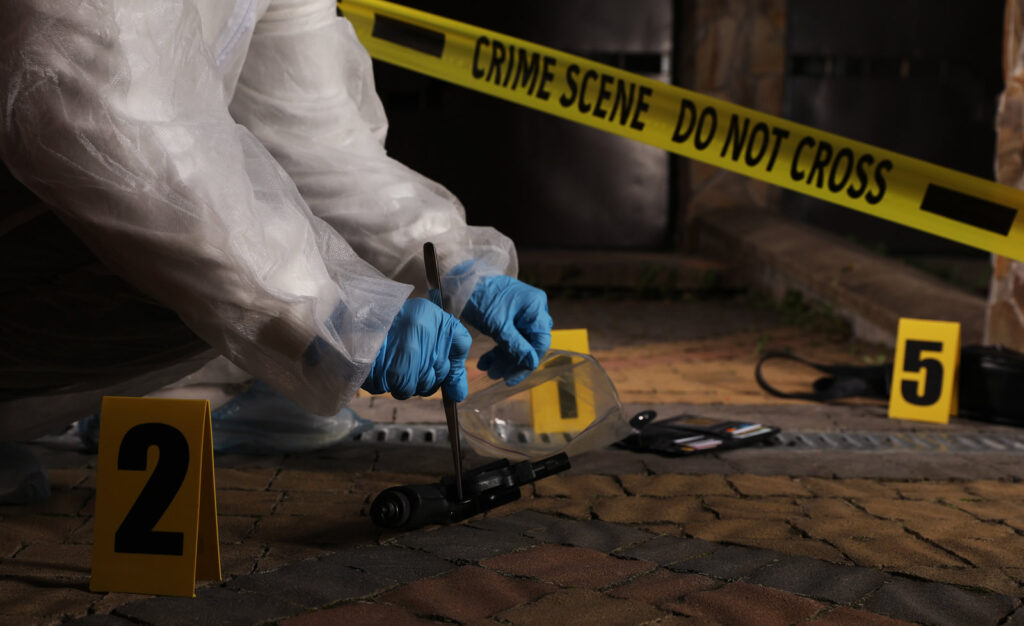
In collaboration with forensic experts, we revisit the crime scene and analyze every detail to reconstruct the events.
Examining Physical and Environmental Evidence
Our team meticulously evaluates all evidence, including:
- Environmental clues like signs of struggle or disturbances.
- Ballistics analysis to trace weapons and firing patterns.
- Toxicology and trace evidence that link suspects to the crime.
Conducting Interviews
We interview witnesses, associates, and persons of interest to gather additional insights or validate existing evidence. These conversations often reveal new leads that are vital to the case.
Reporting and Collaboration
After a comprehensive review, we compile our findings into a detailed report for the client. In some instances, we collaborate with law enforcement, providing critical evidence to aid in solving the case.
Murder vs. Manslaughter: Key Differences
Understanding the distinction between murder and manslaughter is critical in homicide investigations.
-
Murder
The unlawful killing of another person with intent or premeditation.
-
Manslaughter
An unintentional killing caused by negligence or provocation.
Key Differences:
-
Intent
Murder involves deliberate intent, while manslaughter typically lacks premeditation.
-
Severity
Murder carries harsher penalties, such as life imprisonment, compared to manslaughter’s lesser sentences.
-
Evidence Focus
Murder investigations emphasize planning or recklessness, whereas manslaughter cases center on negligence or provocation.
Critical Questions in Murder Investigations
To uncover the truth, investigators delve into essential questions such as:
- Who discovered the victim?
- What was the victim’s last known activity?
- Are there witnesses or security footage?
- What motives exist?
- Who was the last person to see the victim alive?
Frequently Asked Questions
Evidence is collected through:
- Crime Scene Examination: Gathering physical evidence like fingerprints, bloodstains, and weapons.
- Forensic Analysis: Examining fibers, bullets, and toxic substances in a lab.
- Digital Evidence: Analyzing phone records, emails, surveillance footage, and social media.
- Witness Statements: Recording testimonies from individuals connected to the case.
The timeline varies based on factors like:
- Availability and quality of evidence.
- Complexity (e.g., multiple suspects or a lack of witnesses).
- Resources and expertise of the investigative team.
- Whether the case is “cold” or actively pursued.
Private investigators maintain regular communication with the victim’s family, offering updates and support while balancing professionalism and empathy.
Cold cases are revisited when new evidence, technology, or witness testimonies emerge. Investigators may:
- Re-examine evidence using advanced forensic techniques.
- Conduct new interviews or appeal for public information.
- Cross-reference with databases for potential matches.
To ensure evidence remains admissible, investigators:
- Follow strict chain-of-custody protocols.
- Use proper packaging to prevent contamination.
- Store evidence securely in controlled environments.
Yes, they often testify about their findings, present evidence, and work closely with prosecutors to build a solid case.
If you possess relevant information:
- Contact local law enforcement or the assigned detective.
- Submit anonymous tips through platforms like Crime Stoppers.
- Avoid confronting suspects or interfering with the investigation.
If a suspect is found not guilty, investigators may:
- Reassess the case for overlooked leads or errors.
- Continue pursuing alternate suspects.
- Work to strengthen the evidence for future prosecution.
Why Choose PI Investigations?
At PI Investigations, we combine cutting-edge forensic science, seasoned investigators, and a compassionate approach to uncovering the truth. Whether you’re seeking justice for a loved one or need clarity on an unresolved case, our dedicated team is here to help.